
Cybercrime vs. Cybersecurity … or Cyber Prevention?!
Cybersecurity is a central field of knowledge today – not least because smartphones, computers, and IoT devices shape our daily lives.
Almost everyone who communicates, researches, or shops online now comes into contact with cybercrime. Just as opinions can be diverse, conceptions of cybercrime also vary considerably.
 Figure 1: Broad distinction between three core cyber domains in the context of security policy
To provide better orientation, the following key domains are distinguished:
Cybercrime
- ICT as a means of crime: Offenses such as fraud, extortion, or stalking that can occur both in analog and digital form.
- ICT as a target: Attacks specifically targeting the confidentiality, availability, and integrity of IT systems.
- Hybrid forms: Mixed forms where ICT serves as both a target and a tool in combination with traditional offenses (e.g., ransomware or Business Email Compromise).
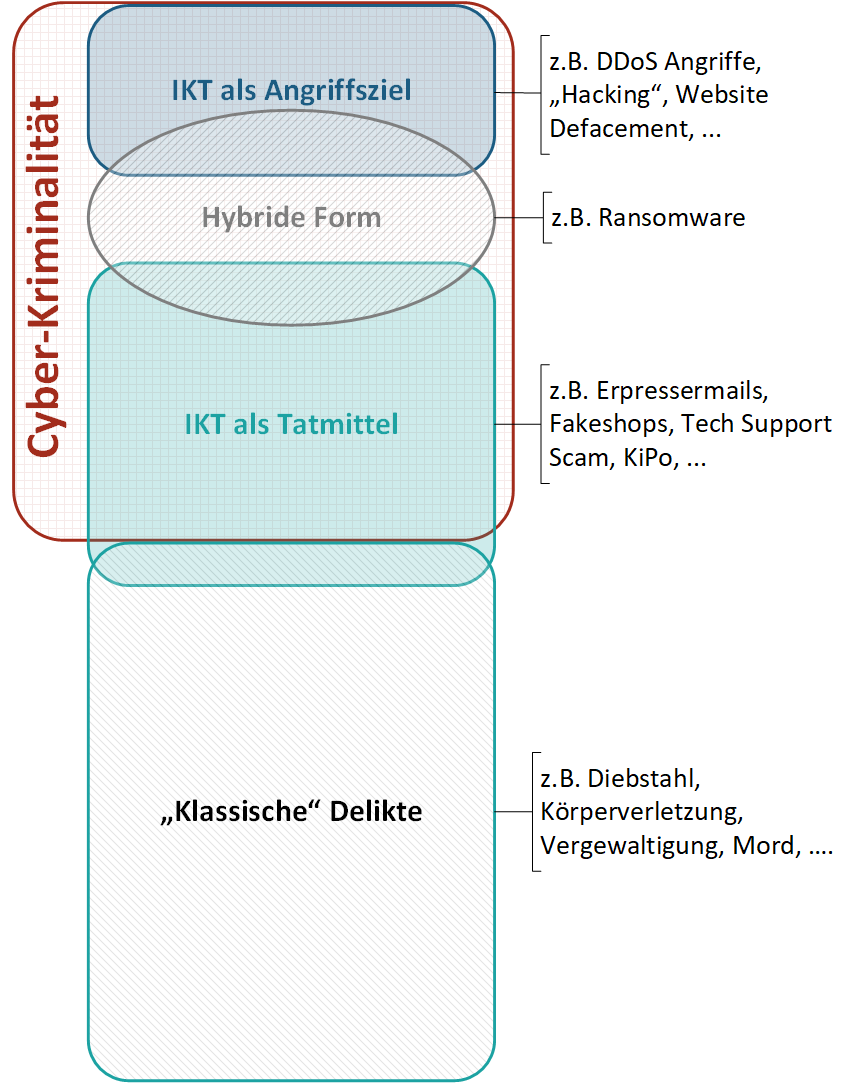 Figure 2: Cybercrime is divided into different categories, depending on the means and target of the offense
Cybersecurity
Encompasses all technical and organizational measures to protect information and communication technology. This includes detailed analysis of attacks (TTPs – Tactics, Techniques and Procedures) to learn from the methods applied by threat actors.
Cyber Prevention
Focuses on preventing cyberattacks through targeted awareness building. The human – often the greatest vulnerability – is at the center, with education aimed at preventing future incidents.
In the Austrian context, law enforcement of cybercrime is primarily handled by the police and judiciary, while cybersecurity is coordinated by operational units of institutions such as the Federal Chancellery, the Ministry of the Interior (BMI), the Ministry of Defence (BMLV), and the Ministry of European and International Affairs (BMEIA). Strategic governance is carried out through bodies such as the Cyber Security Steering Group (CSS) and the Cyber Security Platform (CSP)1, which promote exchange between business, academia, and public administration. In the area of cyber prevention, specialized organizations also contribute alongside security authorities by informing the public about risks and supporting potential victims.
This clear delineation and close cooperation among all stakeholders involved – both nationally and internationally – are essential for effectively addressing the challenges of the digital world.
Those who want to read more can find the full article in the Austrian magazine for public security: BMI Magazine 05-06/2022
External Sources
Federal Chancellery, National Cybersecurity Structures, https://www.bundeskanzleramt.gv.at/themen/cybersicherheit/nationale-strukturen.html ↩︎